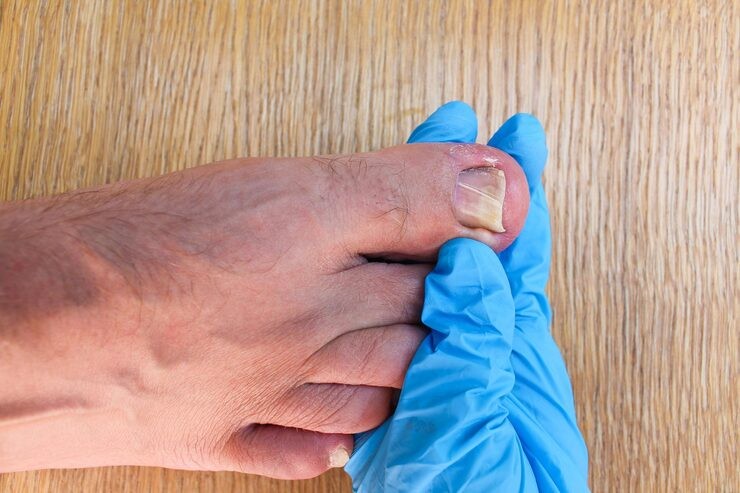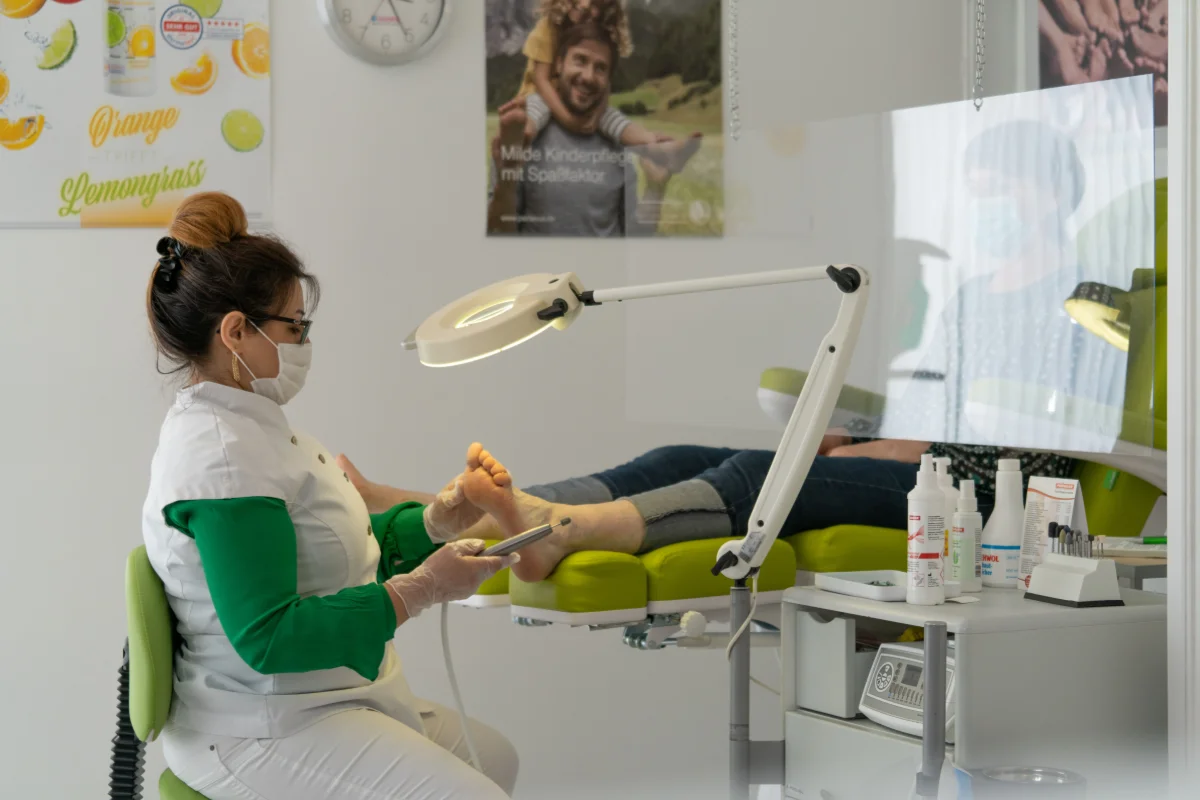
The inherent form of your nail plate, tight shoes, or bad cutting habits that constantly force the nail edge into the surrounding skin are typically the core causes of ingrown toenails that recur despite thorough soaking and clipping. By treating the underlying nail border rather than merely trimming the apparent tip, long-term ingrown toenail therapy in Davenport ends this agonizing cycle of swelling, soreness, and infection.
Before realizing that at-home remedies only provide short-term comfort, many people struggle with a recurrent ingrown toenail for months or even years. Every time you remove a painful corner, a sharp edge that is hidden deeper within the skin fold waits to penetrate the tissue once again as the nail advances. The first step to long-lasting everyday comfort is understanding why the nail keeps curling inward and how specialized medical care permanently corrects it.
Common Ingrown Toenail Causes
Knowing the common causes of ingrown toenails helps explain why the same toe keeps getting worse:
- Curved or Fan-Shaped Nails: Whether a nail develops flat or tightly curls downward into skin folds is typically determined by genetics.
- Tight or Narrow Shoes: Pointed dress shoes, tight athletic shoes and socks press the skin directly against the sharp side edge of the big toenail. Tight socks, sporty studs and formal shoes with pointed toes press the skin against the sharp side edge of the big toenail.
- Repetitive Toe Trauma: Nail development can be distorted by stubbing your toe, falling heavy things, or applying continuous forward pressure while jogging or climbing.
- Trimming Too Short: As the nail grows forward, a sharp nail spike that pierces the skin is left behind by digging deeply into the corners.
Cutting Toenails Properly to Prevent Recurrence
Changing the way you cut your toenails at home is the first step toward preventing ingrown toenails. The nail edge remains safely above the skin fold when a straightforward, regular trimming regimen is followed:
- Trim Straight Across: Instead of curling the edges downward, use clean, sharp toenail clippers to cut your toenails straight across.
- Leave a Slight White Edge: In order to prevent the skin from folding over the nail tip, avoid cutting nails close against the skin. Instead, leave a small space.
- Smooth Sharp Corners Gently: Instead of digging into the side grooves, gently file any sharp points with an emery board.
- Choose Breathable Footwear: Put on shoes with a deep, wide toe box to provide your toes plenty of space to move about without being compressed.
When to See an Ingrown Toenail Podiatrist
If redness, throbbing, soreness, drainage or overgrown skin continues, a skilled podiatrist in Davenport can provide you with safe, lasting treatment. Locals in Bettendorf seeking a reliable podiatrist for ingrown toenails can count on a foot specialist in the Quad Cities to perform a quick, comfortable in-office surgery.
When you go to a reputable podiatrist near me for a partial nail avulsion with matrixectomy, your doctor will gently numb your toe, remove the offending nail sliver, and treat the tiny section of nail root so that the narrow edge never grows back, leaving the rest of your toenail looking perfectly natural.
Frequently Asked Questions
Why does my ingrown toenail keep coming back after I trim the corner out?
If you do the uncomfortable corner cut at home, you will have a hidden sharp edge further in the nail groove. The nail grows forward. The sharp spike again pierces the swollen flesh.
Can an ingrown toenail heal permanently on its own?
Warm Epsom salt soaks and appropriate footwear can help a very mild ingrown nail that was discovered early. However, permanent removal of the problematic nail border is typically required if your normal nail form or recurrent infection causes a recurrent ingrown toenail.
How long does recovery take after permanent ingrown toenail removal?
On the same day, the majority of patients leave the office in comfortable shoes or normal sandals. It usually takes two to three weeks for the side nail fold to fully heal with just daily soaks and bandage changes.
Step Into Lasting Relief for Your Toes
You don’t have to put up with painful pressure, recurrent toe pain, or worrying about tight shoes all the time. You may maintain healthy, active, and infection-free feet by treating a difficult ingrown nail as soon as possible.
Are you prepared to permanently put an end to excruciating toenail flare-ups? Make an appointment with Quad Cities Foot & Ankle Associates right now to comfortably get back on your feet!